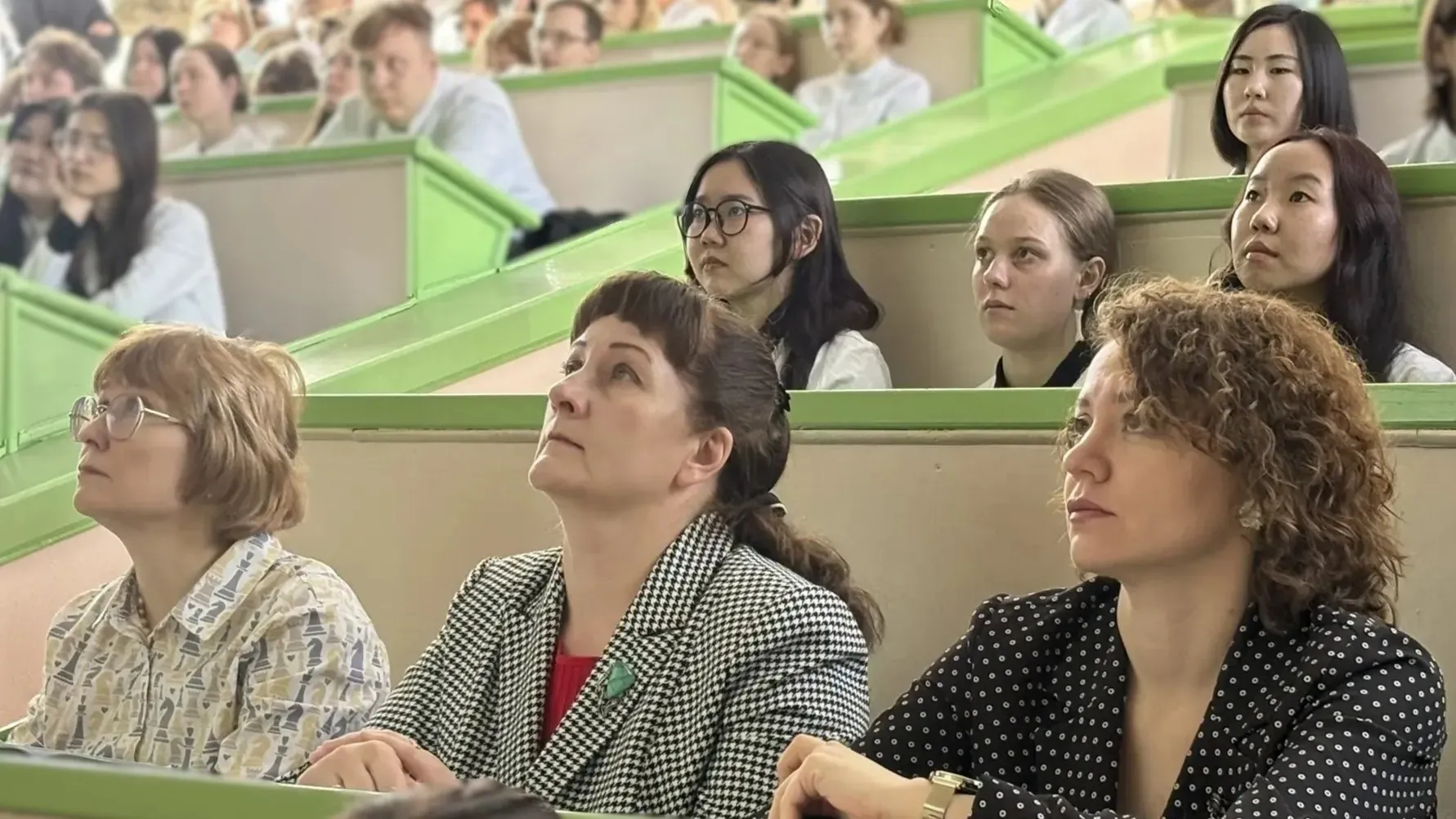





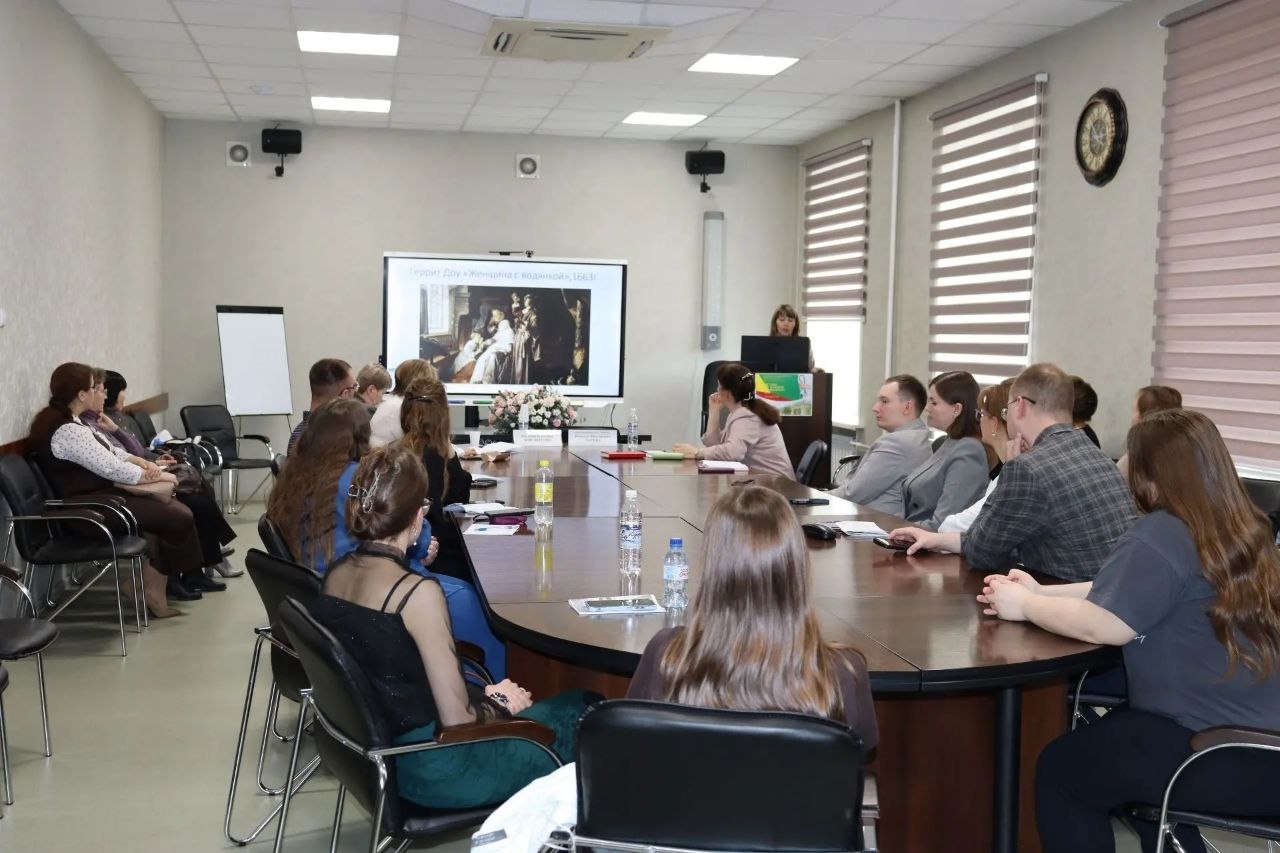
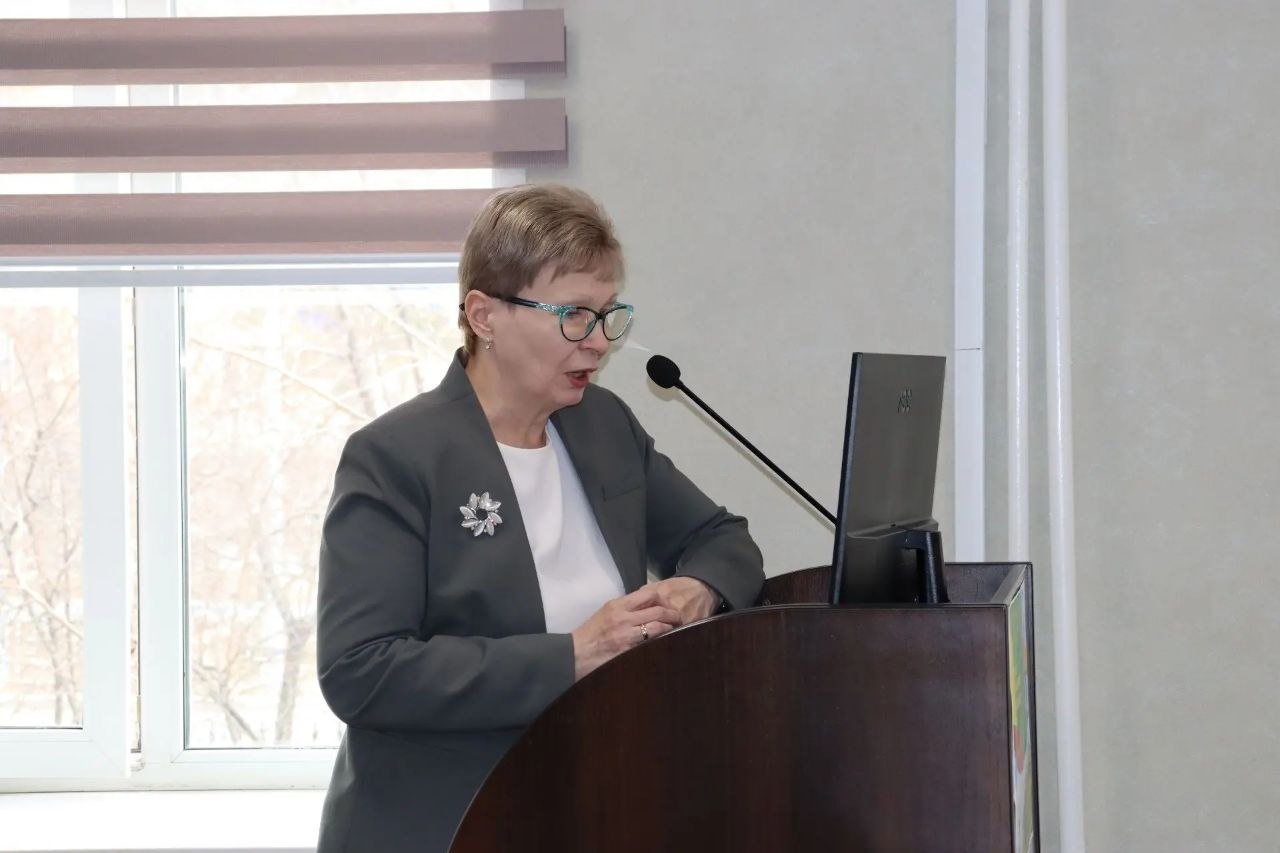
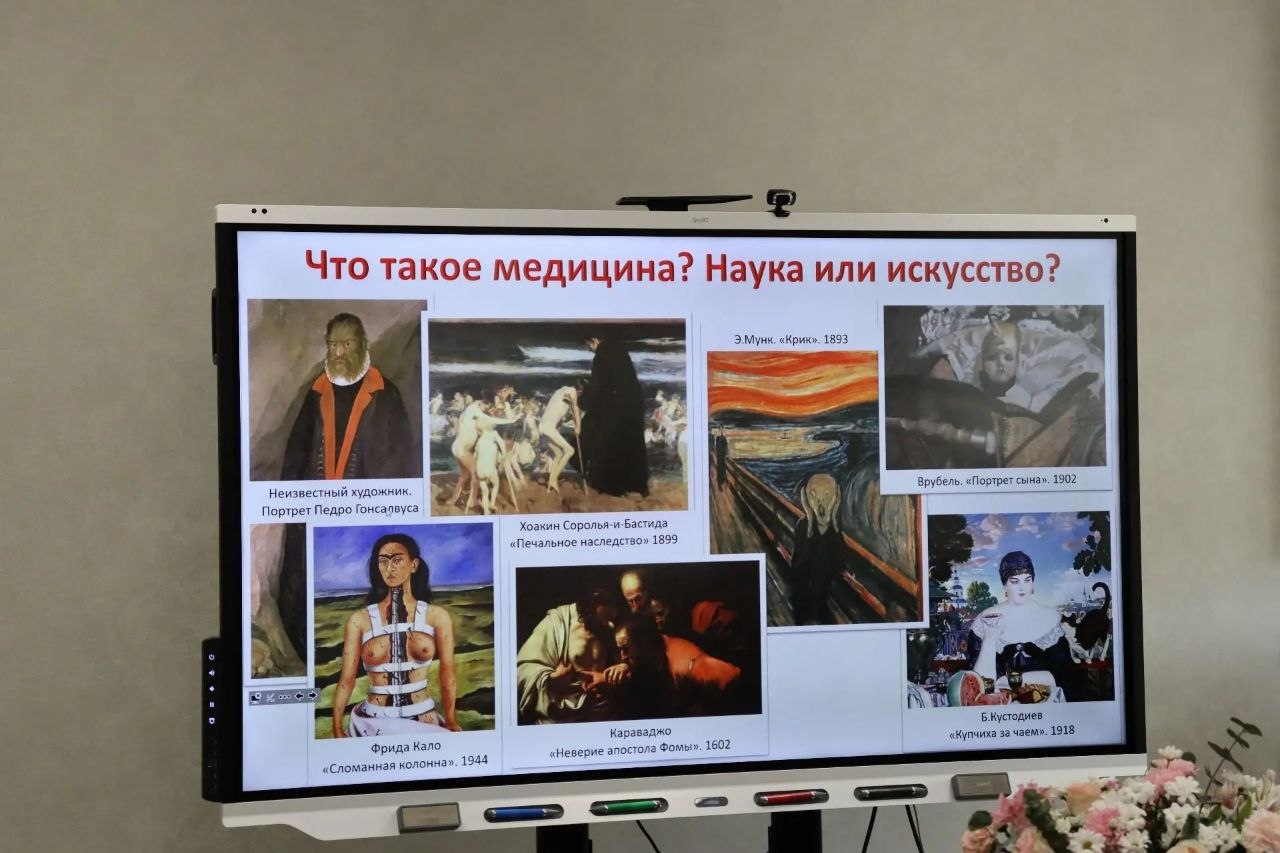
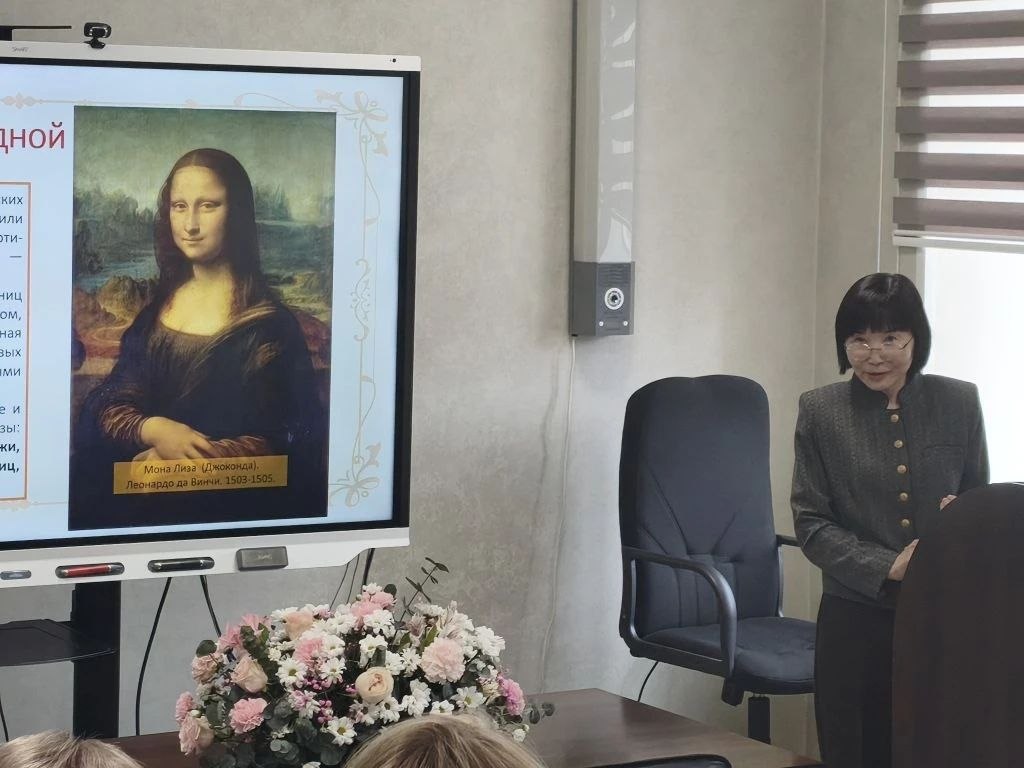
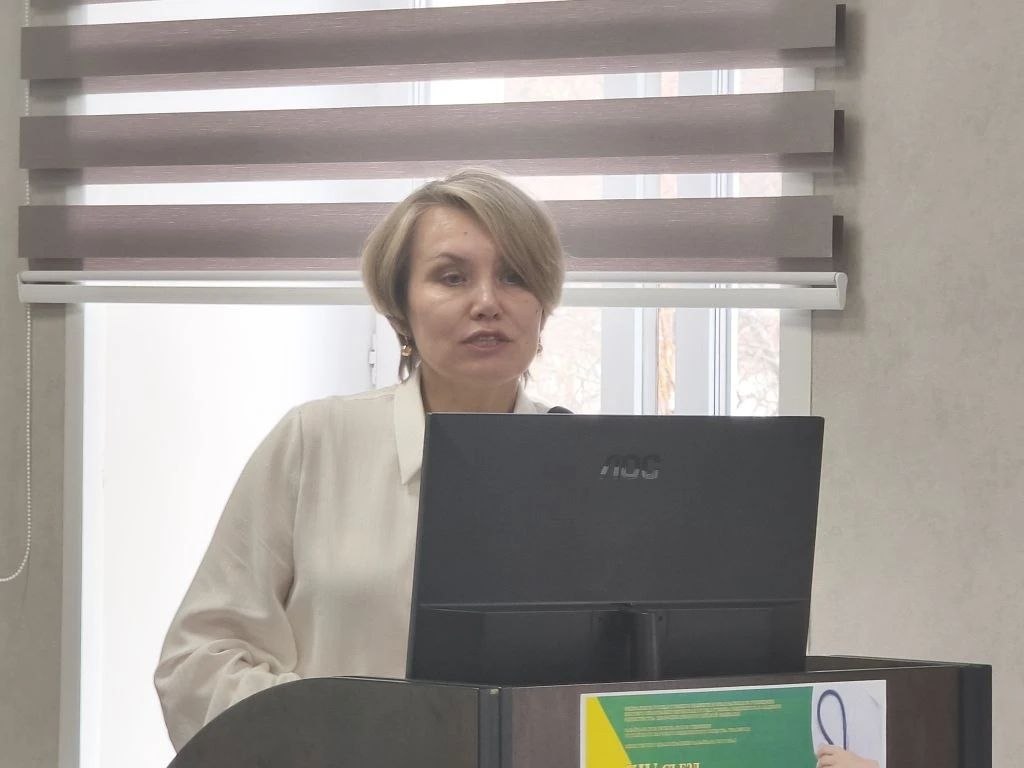
 From "La Gioconda" to Levitan: doctors diagnose the heroes of the paintings Who would have thought: the famous Mona Lisa had all the signs of hypothyroidism! Such unexpected conclusions were shared by doctors at a meeting of the "Medical Vernissage" section, held as part of the congress of therapists of Transbaikalia. Associate Professor of the Department of Therapy of the Faculty of Continuing Professional Education of the Chelyabinsk State Medical Academy, Candidate of Medical Sciences Elena Luzina presented the report "Shades of Yellow in Caravaggio's Painting "Sick Bacchus"". She demonstrated how the skin tones on the canvas can be used to identify signs of jaundice, and using this example, she analyzed the modern algorithm: from making a diagnosis and finding out the causes of the disease to selecting treatment. Associate Professor of the Department of Therapy of the Faculty of Postgraduate Education, Candidate of Medical Sciences Zinaida Zhigula traced the evolution of approaches to the diagnosis and treatment of edema. As a starting point, she took Gerrit Dow's painting "Woman with Dropsy" and showed how medicine has moved from ancient ideas to modern clinical guidelines. Evgenia Zhigzhitova, Associate Professor of the Department of Therapy of the Faculty of Physical Education, Ph.D., in her report "Goiter in the Mirror of Art: From Symptoms to Diagnosis" explained how the works of great artists help doctors better recognize the signs of thyroid diseases and build a correct diagnostic scheme. Assistant of the Department of Therapy of the Faculty of Continuing Professional Education, Ph.D. Anna Filippova spoke about the tragic fate of the landscape painter Fyodor Vasiliev. The artist died of tuberculosis at the age of 23, and using his story as an example, the teacher showed how modern doctors differentiate conditions in hemoptysis and pulmonary hemorrhage, linking historical experience with today's medical practice. The series of speeches was completed by the head of the Department of Therapy of the Academy, Doctor of Medical Sciences, Professor Natalia Lareva. She analyzed the creative path of Isaac Levitan and his works, paying special attention to the illness that took the artist's life before reaching the age of 40. The professor also assessed what opportunities for treatment would have opened up for Levitan if he lived in our time. Such is the diagnosis through the centuries: when paintings speak...

     |    
|