



Who can be a mentor, what are his responsibilities and how is the selection of a mentor-resident pair? For how long is the mentor assigned, and how is the effectiveness of mentoring assessed? Is it possible to combine work with continuing scientific activities or additional training? Is there a guarantee of employment at the end of residency, and how is it legally formalized?
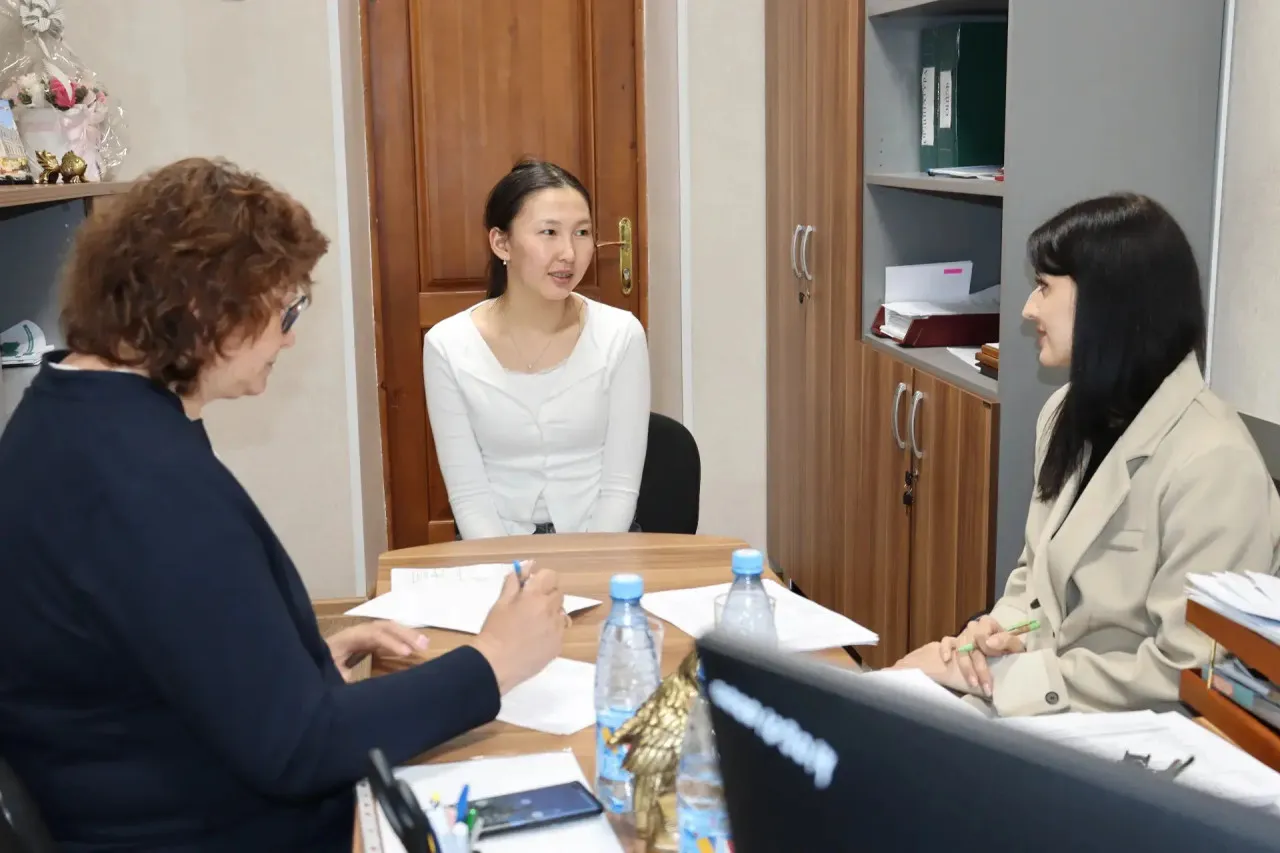
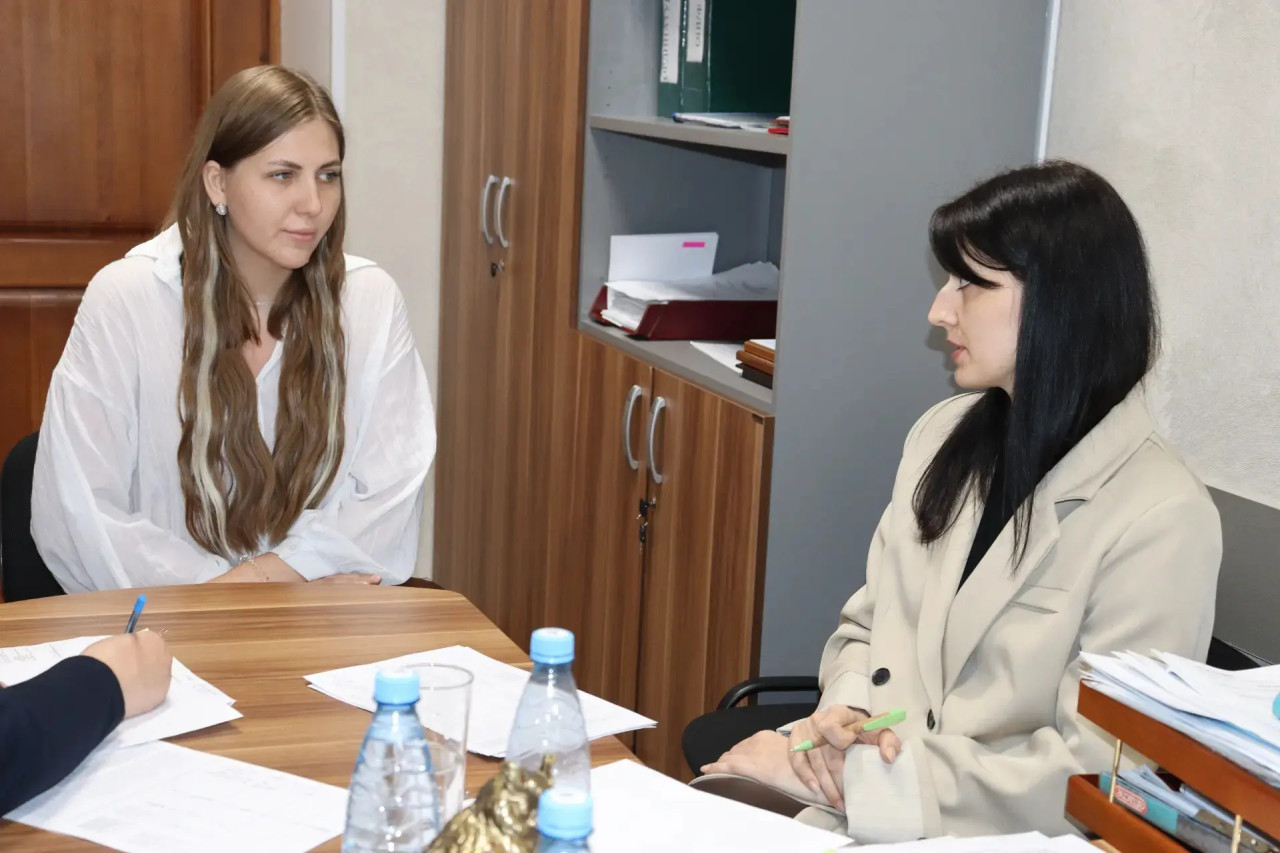
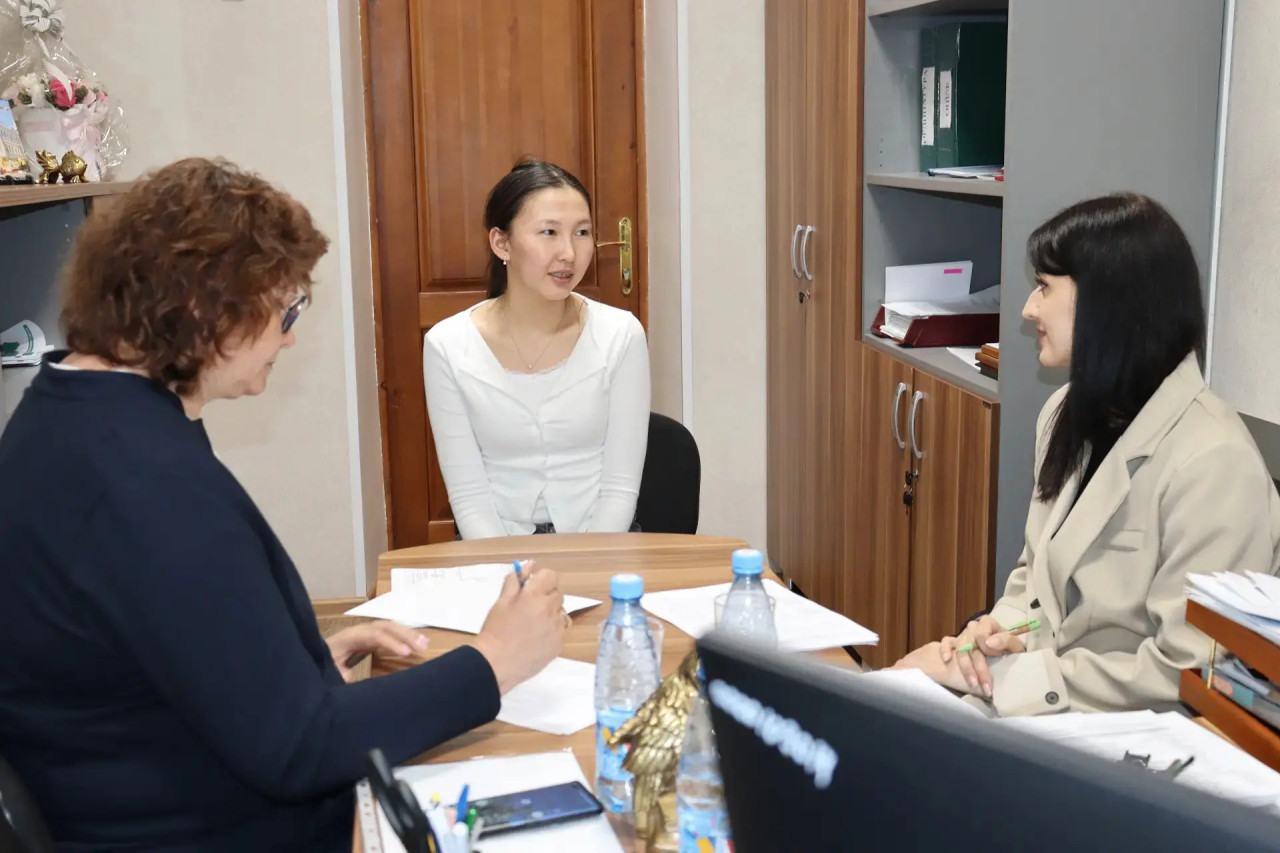
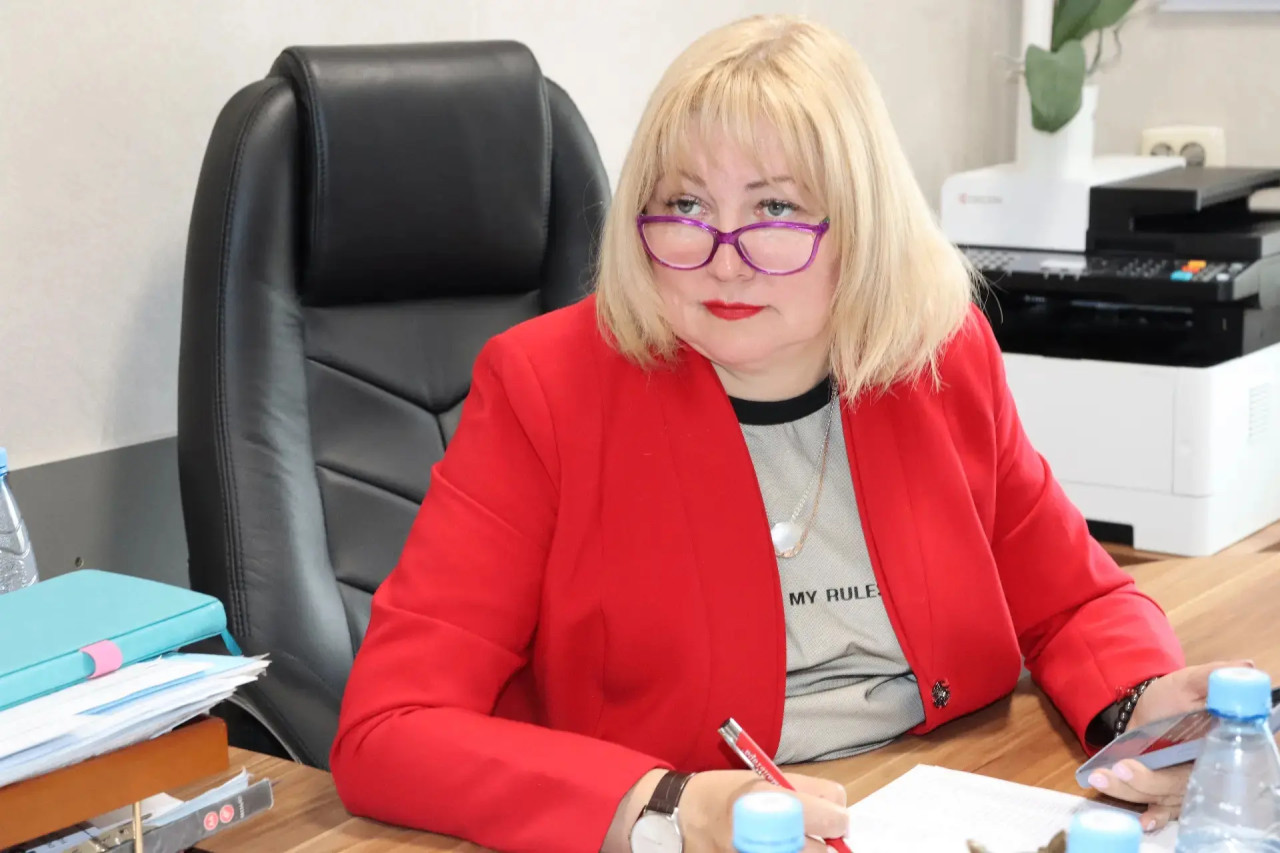
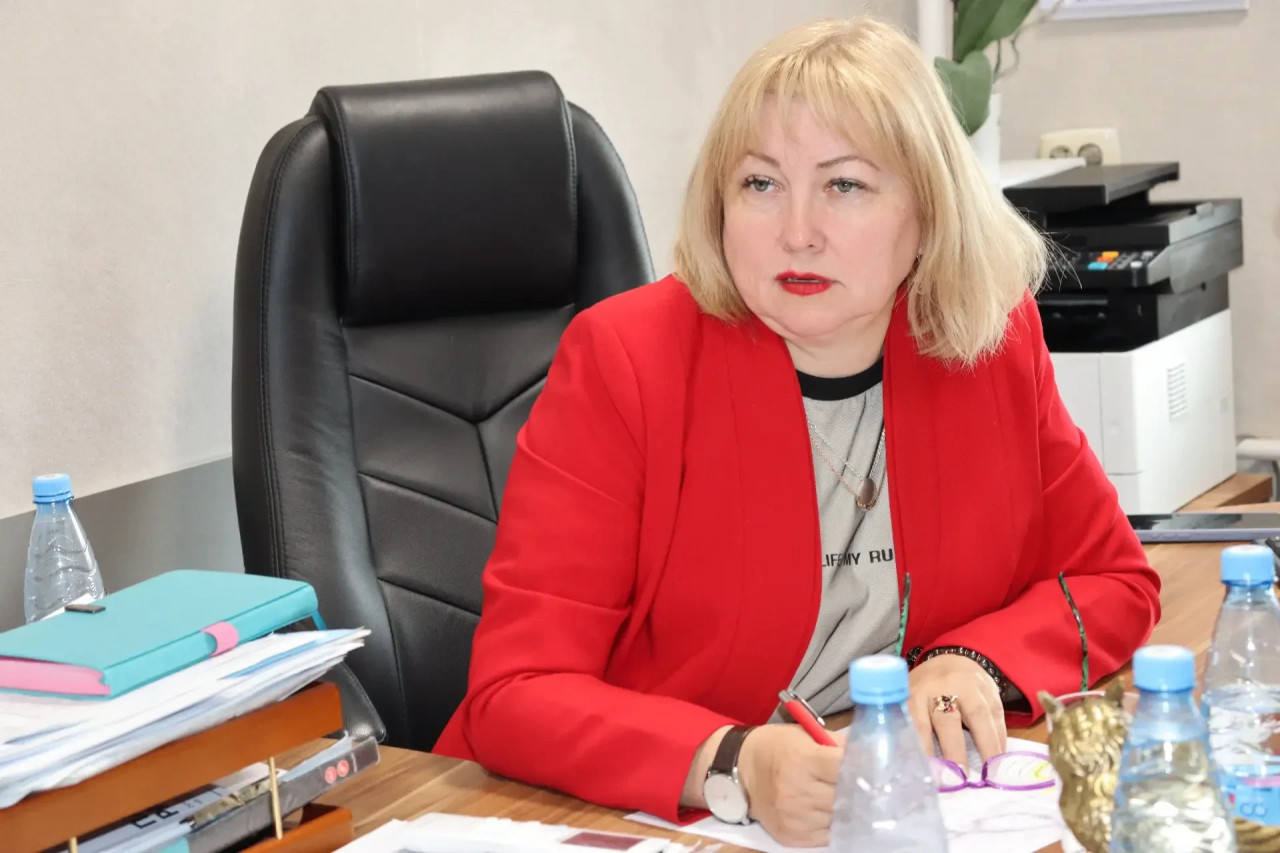
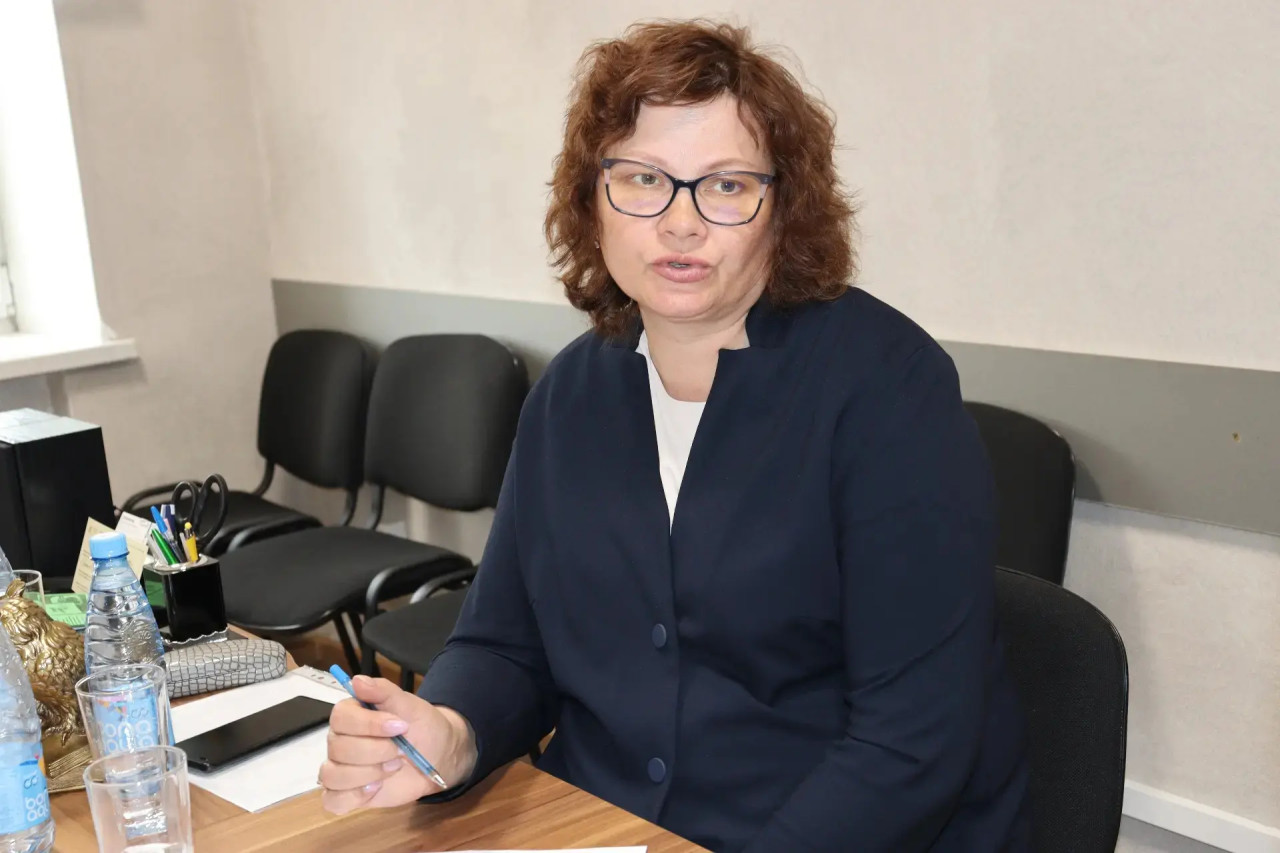
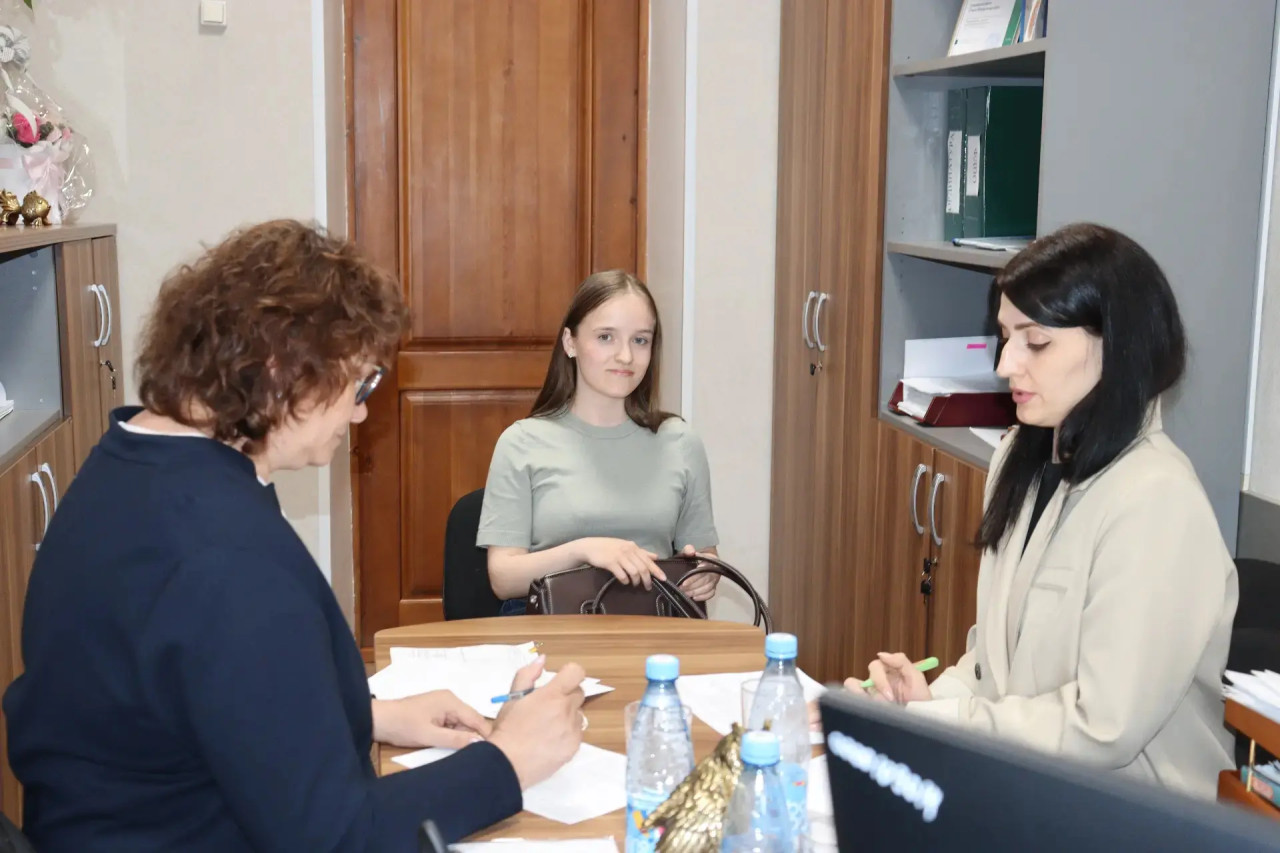
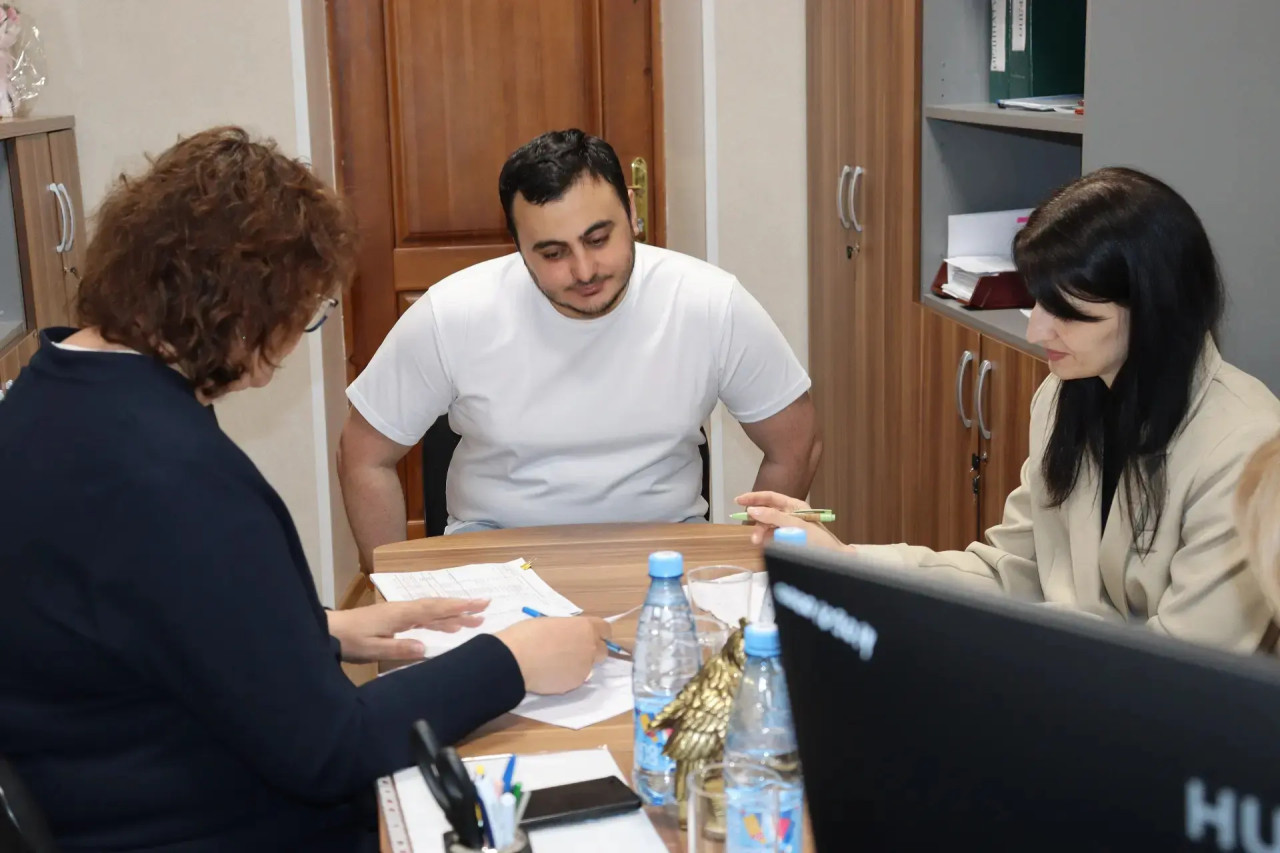
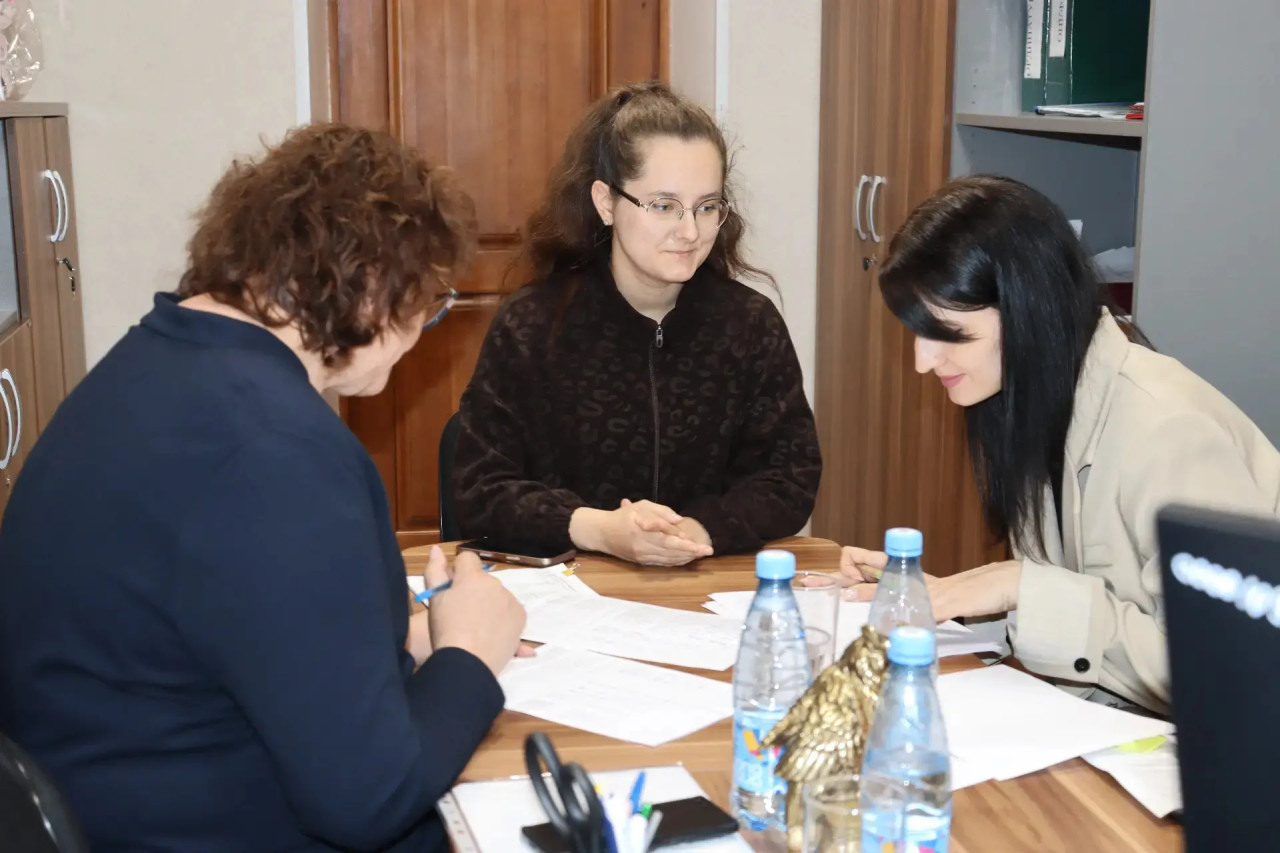
These and other questions of the second-year residents were answered by the Vice-Rector for Postgraduate Education and Development of Regional Healthcare, Doctor of Medical Sciences, Professor Olga Serebryakova, Head of the Department for the Development of Regional Health Care and Personnel Policy, Candidate of Medical Sciences Victoria Dudareva and Head of the Department of Personnel Policy of the Ministry of Health of the Trans-Baikal Territory Elena Lazareva during the meetings - distributions of residents of the second year of study on June 2 and 4.
The distribution meetings, organized by ChSMA and the Ministry of Health of the Trans-Baikal Territory, were held in accordance with the requirements of the law, their purpose is to promote the implementation of the mentoring program in the field of healthcare.
Based on the results of the meetings, information about residents was entered into the reporting form of the Ministry of Health of the Trans-Baikal Territory.
"This is not just a bureaucratic procedure, but an important mechanism that works for several tasks at once," explained Olga Serebryakova, Vice-Rector for Postgraduate Education and Development of Regional Healthcare, Doctor of Medical Sciences, Professor.- Firstly, this is a confirmation of the status of a resident: the data falls into the official system of registration of health care personnel of the region - this is how the state monitoring of the training of doctors is conducted.
Secondly, this information is directly involved in personnel planning: it shows how many specialists are trained in different specialties, and on this basis they plan how to distribute personnel among medical institutions in the region.
According to Olga Serebryakova, it is no less important that such reports affect the distribution and employment. Regional health authorities often rely on them when forming applications for targeted training, distributing graduates and closing personnel shortages.
"Finally, reporting helps to monitor the implementation of standards: it is used to monitor how training plans are being implemented, including target quotas," said Olga Vladimirovna.
    |     |     |